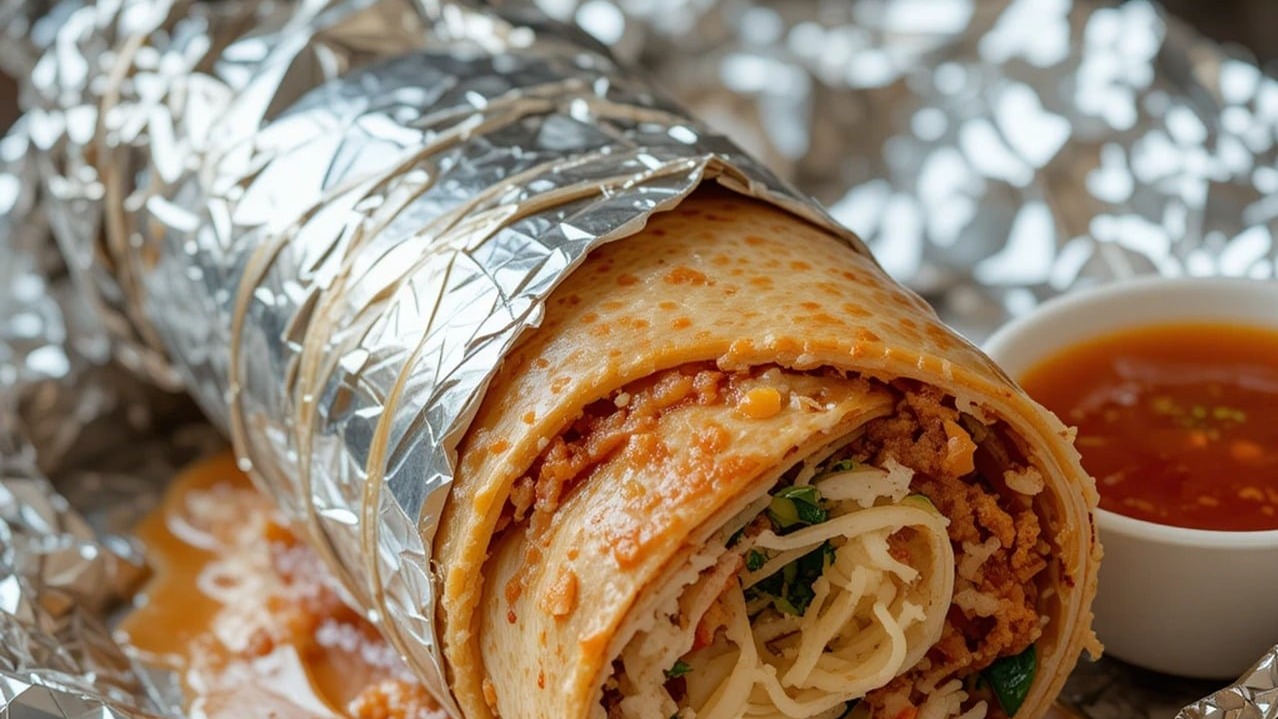
The sheet of foil in your drawer has a bigger story than you think
You tear off a piece of foil, wrap the leftover half of a roast, and think nothing more of it. Later you peel it back, notice it is barely marked, and pause. Do you rinse it and keep it, or does it go in the bin? And every so often a quieter question surfaces. Is all this foil doing any harm, or is aluminium a material you can use with a clear conscience?
The honest answer is that aluminium sits in an unusual middle ground. It is one of the most energy-hungry materials to make from scratch, and one of the most rewarding to recycle. Understanding that split is what lets you make a sensible call at the kitchen drawer, without guilt and without guessing.
Why this matters in an ordinary kitchen
Foil, cans, trays, and bottle tops turn up in almost every kitchen, often several times a day. Because you handle aluminium so casually, small habits repeat thousands of times a year. Whether you scrunch and recycle your foil, or drop it loose in the bin, adds up in a way that a single one-off purchase never does.
There is also a practical reason to get this right. Reusing a clean piece of foil can save money and reduce waste, but reusing the wrong piece, at the wrong moment, is a food-hygiene risk rather than a virtue. Knowing the difference is worth more than any blanket rule to use less or use more.
The core split: primary aluminium versus recycled aluminium
To understand aluminium, it helps to separate two very different journeys the same metal can take.
Primary aluminium is made from raw ore. It starts as bauxite, which is mined and refined into a white powder called alumina, and the alumina is then smelted using a powerful electric current to split out the pure metal. That smelting step is where most of the energy goes. According to the International Aluminium Institute, primary production from mine to cast house uses roughly 186 gigajoules of energy per tonne of metal, making brand-new aluminium one of the more energy-intensive things industry does with a common material.
Recycled aluminium, sometimes called secondary aluminium, tells the opposite story. Old cans, foil, and scrap are cleaned, melted, and reformed, and crucially the metal does not wear out when you do this. The International Aluminium Institute describes it as easy to melt and reform without changing its fundamental properties, which means it can be recycled repeatedly and returned to use with no fixed limit.
So the same metal can be an environmental cost or an environmental bargain, and which one it is depends almost entirely on whether it is made new or made again.
What the evidence actually says
The energy and emissions gap is large
The most widely cited figure in this whole subject is the energy saving from recycling, and it holds up well. The International Aluminium Institute reports that recycling aluminium uses about 95 percent less energy than producing it from raw ore, and that the recycling process saves a similar proportion of greenhouse gas emissions. The Institute puts the precise energy saving at around 95.5 percent, comparing roughly 186 gigajoules per tonne for primary metal against about 8.3 gigajoules per tonne for recycled metal.
Other bodies land in the same place. The World Economic Forum, drawing on industry data, notes that recycled aluminium uses just 5 percent of the energy needed for primary production, and that over 90 percent of the sector's current emissions come from primary production. The message is consistent: smelting new metal is the problem, and recycling avoids almost all of it.
Cans show what a good recycling loop looks like
Drinks cans are the clearest success story. According to the United States Environmental Protection Agency, aluminium beer and soft drink cans were the most recycled category of aluminium packaging in its 2018 data, at about 50 percent. The overall rate for aluminium containers and packaging, which includes foil and trays as well as cans, was lower at around 35 percent in the same figures. Because recycled aluminium can be melted and reused indefinitely, a can you put out for collection can, in principle, become another can rather than being downcycled into something lesser.
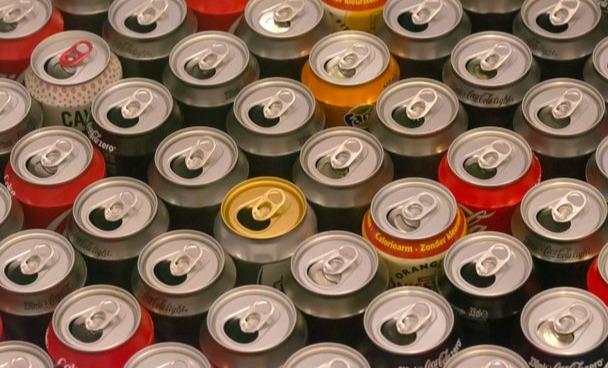
There is still room to improve. The World Economic Forum notes that global collection rates for end-of-life aluminium sit at around 70 percent, high for a material but far from complete. The metal is almost perfectly recyclable in theory, so the gap is in how much of it we actually capture.
Foil is recyclable, with conditions
Here is the part that trips people up. Foil is made of the same recyclable aluminium as a can, but two conditions decide whether it gets recycled in practice: it needs to be reasonably clean, and it needs to be gathered into a large enough piece for sorting machinery to catch.
Recycle Now, the UK recycling service run by WRAP, advises wiping or dipping foil trays in washing-up water to remove food residue, and scrunching kitchen foil, pot lids, and wrappers together into a ball, noting that the bigger the ball, the easier it is to recycle. It also describes a simple scrunch test to tell true foil from foil-look plastic film: scrunch the wrapper in your hand, and if it stays in a ball it is recyclable foil, whereas if it springs back open it is likely a plastic-based wrapper.
One important caveat runs through all of this. Whether foil is accepted in your kerbside collection varies by area, and Recycle Now points people to a postcode checker precisely because local rules differ. So treat clean, scrunched foil as widely recyclable, but confirm what your own council collects before assuming it goes in the household bin.
Practical actions you can take today
You do not need to overhaul your kitchen. A few small habits capture most of the benefit.
Reuse foil that only touched clean, dry, or cooked food. A sheet that covered a bowl of biscuits or wrapped a cooled cake is easy to smooth out and use again.
Recycle foil properly when it reaches the end of its life. Wipe off food, scrunch it together with other foil into a ball roughly the size of your fist or larger, and add clean foil trays and bottle tops to the same ball.
Do the scrunch test if you are unsure. If it holds its shape, it is foil. If it bounces back, it is probably a plastic film and should not go in with metals.
Check your local rules once, then relax. Look up your postcode on Recycle Now or your council's site to learn whether foil is collected at the kerbside or only at a recycling point, and you will not have to wonder again.
Keep cans in the loop. Cans are the easiest win in the whole category, so a quick rinse and into the recycling is almost always worthwhile.
On alternatives, it helps to think about what a job actually needs rather than searching for a single best material. A reusable container or a beeswax wrap can replace foil for covering leftovers or wrapping a sandwich, and because you use them many times, their impact is spread thin over a long life. Foil, by contrast, earns its keep in situations that suit it well, such as lining a hot oven tray or wrapping food for the grill, where a reusable wrap would not cope. The lower-impact choice depends on how often you reuse the alternative, how long it lasts, and how it is disposed of at the end, rather than on the label alone.
Common mistakes to avoid
Reusing foil that touched raw meat, poultry, or fish. General food-hygiene guidance is consistent here: anything that has been in contact with raw meat can carry bacteria, so that piece of foil should be recycled or binned rather than reused, even if it looks clean.
Binning foil loose. A single small sheet can slip through sorting machinery. Scrunching several pieces into a larger ball gives it a far better chance of being captured.
Recycling greasy or heavily soiled foil. Thick food residue can send foil to landfill even in areas that accept it. A quick wipe or rinse makes a real difference.
Confusing foil with foil-look film. Crisp packets and many sweet wrappers look metallic but are plastic-based. The scrunch test sorts them out.
Assuming your area recycles foil because another area does. Local rules vary, so a one-time check is worth more than a confident guess.
Frequently asked questions
Is aluminium foil actually recyclable? Yes, foil is made of recyclable aluminium, the same metal as a drinks can. In practice it needs to be reasonably clean and scrunched into a large ball so that sorting equipment can catch it, and acceptance still depends on your local collection, so it is worth checking your postcode.
How much energy does recycling aluminium really save? The International Aluminium Institute reports a saving of about 95 percent compared with making new aluminium from ore, with a similar saving in greenhouse gas emissions. That figure is widely cited across the industry and is one of the more robust numbers in recycling.
Can I reuse the same piece of foil more than once? Often, yes, as long as it only touched clean, dry, or cooked food and is not heavily soiled. The clear exception is foil that has been in contact with raw meat, poultry, or fish, which should not be reused on hygiene grounds.
Are reusable wraps or containers better than foil? They can be, but it depends on use. A reusable container or wrap spreads its impact over many uses, so the more consistently you use it, the better it tends to compare. Foil still suits high-heat and single-use jobs that reusables handle poorly, so the sensible approach is to match the tool to the task.
Why is making new aluminium so energy-intensive? Because separating pure aluminium from its ore requires smelting with a strong electric current, which is where most of the energy and emissions occur. Recycling skips that step, which is why it is so much less demanding.
Key takeaways
Making aluminium from raw bauxite is energy and emissions intensive, mostly because of the smelting step, so new aluminium carries a real environmental cost.
Recycling changes the picture entirely. The International Aluminium Institute reports it uses around 95 percent less energy than primary production, with similar emissions savings, and the metal can be recycled repeatedly.
Cans are the strongest performer, recorded by the US EPA as the most recycled aluminium packaging, while collection worldwide still has room to grow.
Foil is recyclable if it is clean and scrunched into a large ball, but you should confirm what your local service accepts.
Reuse clean foil freely, avoid reusing foil that touched raw meat, and choose between foil and reusable alternatives based on the job rather than the label.
Sources and further reading
International Aluminium Institute, Facts About Aluminium: https://international-aluminium.org/landing/aluminium-facts/
International Aluminium Institute, Aluminium recycling saves 95% of the energy needed for primary aluminium production: https://international-aluminium.org/landing/aluminium-recycling-saves-95-of-the-energy-needed-for-primary-aluminium-production/
US Environmental Protection Agency, Aluminum: Material-Specific Data: https://www.epa.gov/facts-and-figures-about-materials-waste-and-recycling/aluminum-material-specific-data
Recycle Now (WRAP), How to recycle foil: https://www.recyclenow.com/recycle-an-item/foil
World Economic Forum, The answer to the aluminium industry's emissions issue? Aluminium's miracle recyclability: https://www.weforum.org/stories/2021/12/aluminium-emissions-recycling-circular-economy/