There is a moment in the story of the Mauritius kestrel when the entire future of the species could be held in a single sentence. By 1974, on an island in the Indian Ocean, only four of these small forest falcons were known to be left alive in the wild, and among them just one breeding pair. Four birds. For a while it was called the rarest bird in the world, and the title was not an exaggeration.
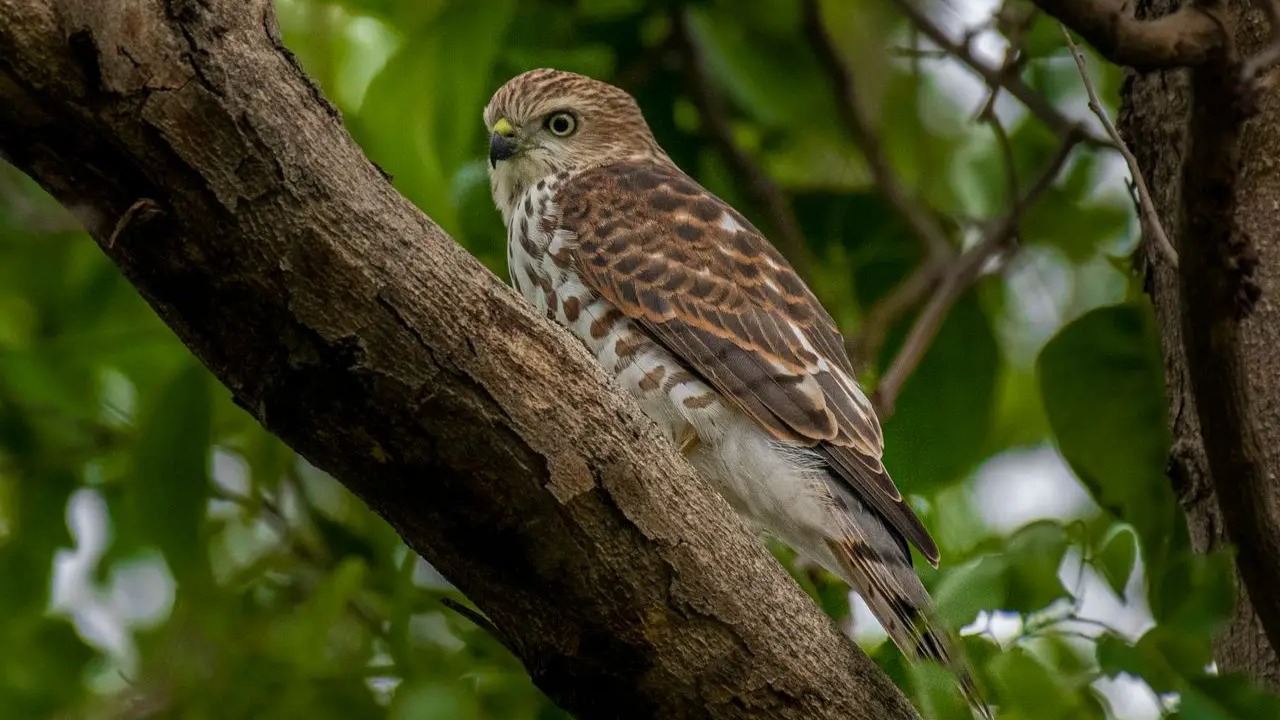
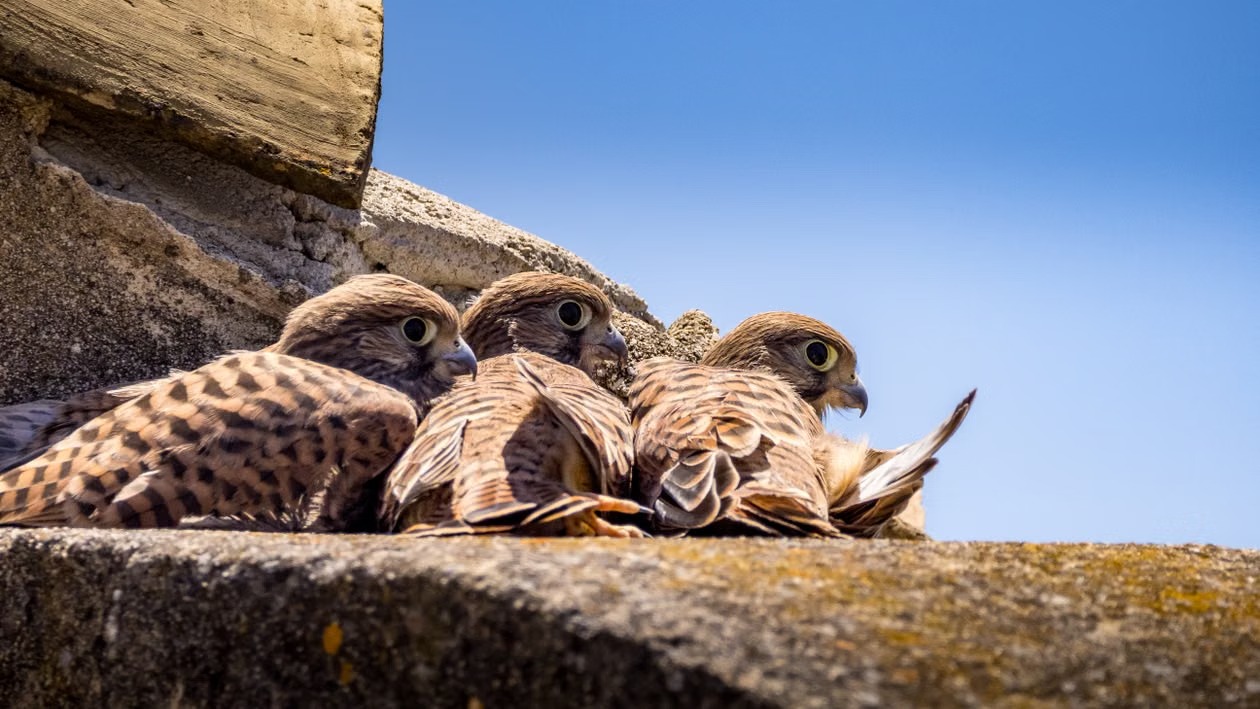
Mauritius is a place that already carries the weight of one famous loss. This is the island of the dodo, the flightless pigeon that vanished within a century of humans arriving, so completely that "dead as a dodo" became a byword for the irreversible. The kestrel was on the same path. It is a reddish, round-winged raptor a little larger than a blackbird, and unlike most falcons of open country it hunts inside forest, weaving between trees to snatch geckos and dragonflies from the leaves. It evolved for a landscape that, by the middle of the twentieth century, was mostly gone.
The decline was not a mystery, which is part of what makes it painful to read. Over centuries, settlers cleared the native forest for sugar cane and timber and houses, until the kestrel's world had shrunk to a few gorges in the south-west. Then came the predators that people had brought with them, sometimes on purpose and sometimes by accident: cats, crab-eating macaque monkeys, and mongooses, all of which take eggs and chicks from a bird that nests in cliff holes and hollow trees. And then, in the 1950s and 1960s, came the pesticides. According to the Peregrine Fund, DDT was used on the island for more than twenty years, and like other birds of prey around the world the kestrel paid for it with thinned eggshells and failed nests. By the early 1970s the population had collapsed to that handful of survivors.
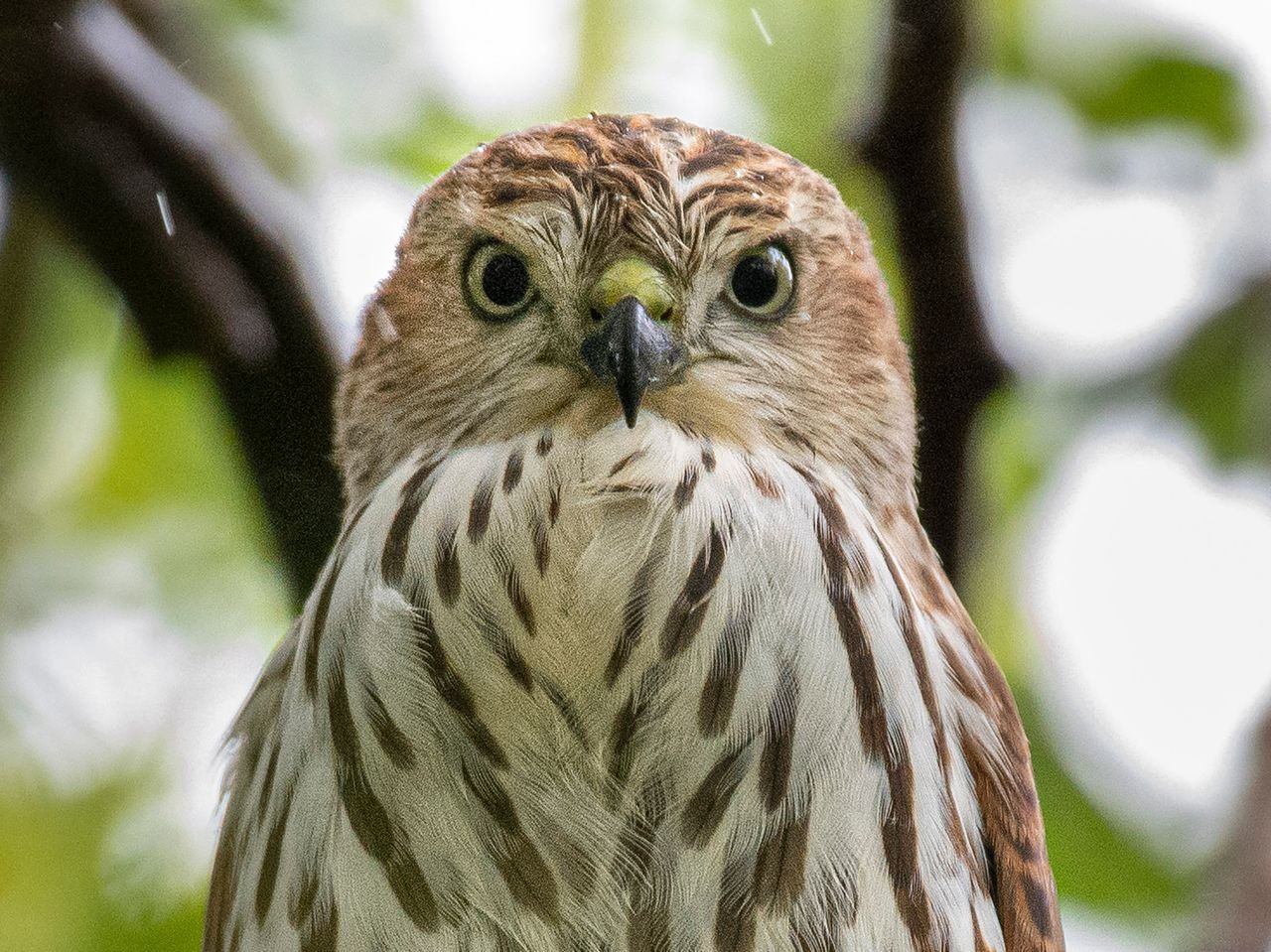
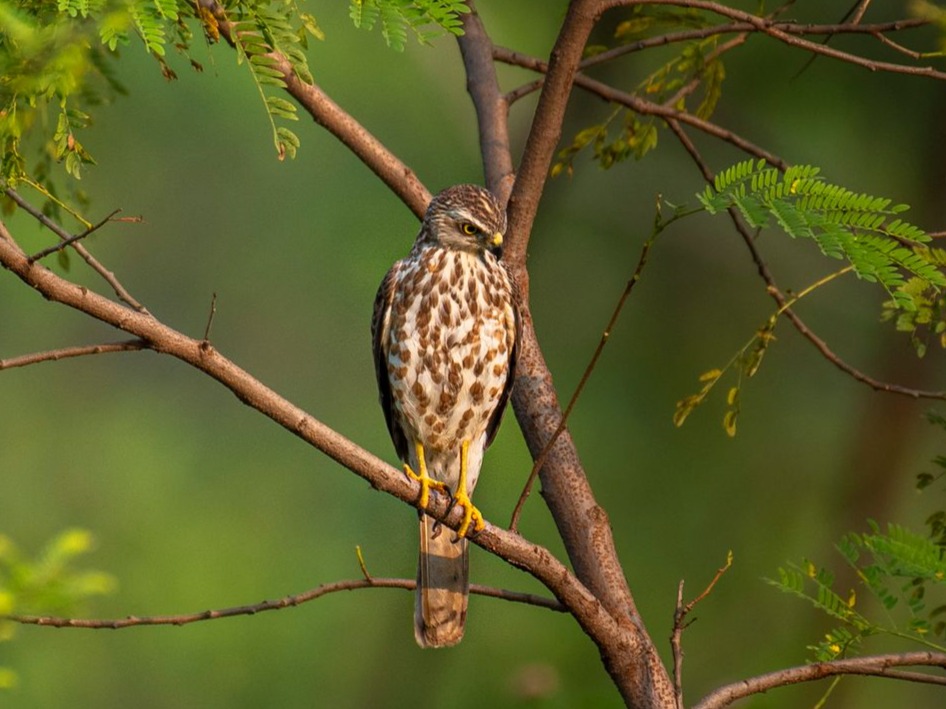
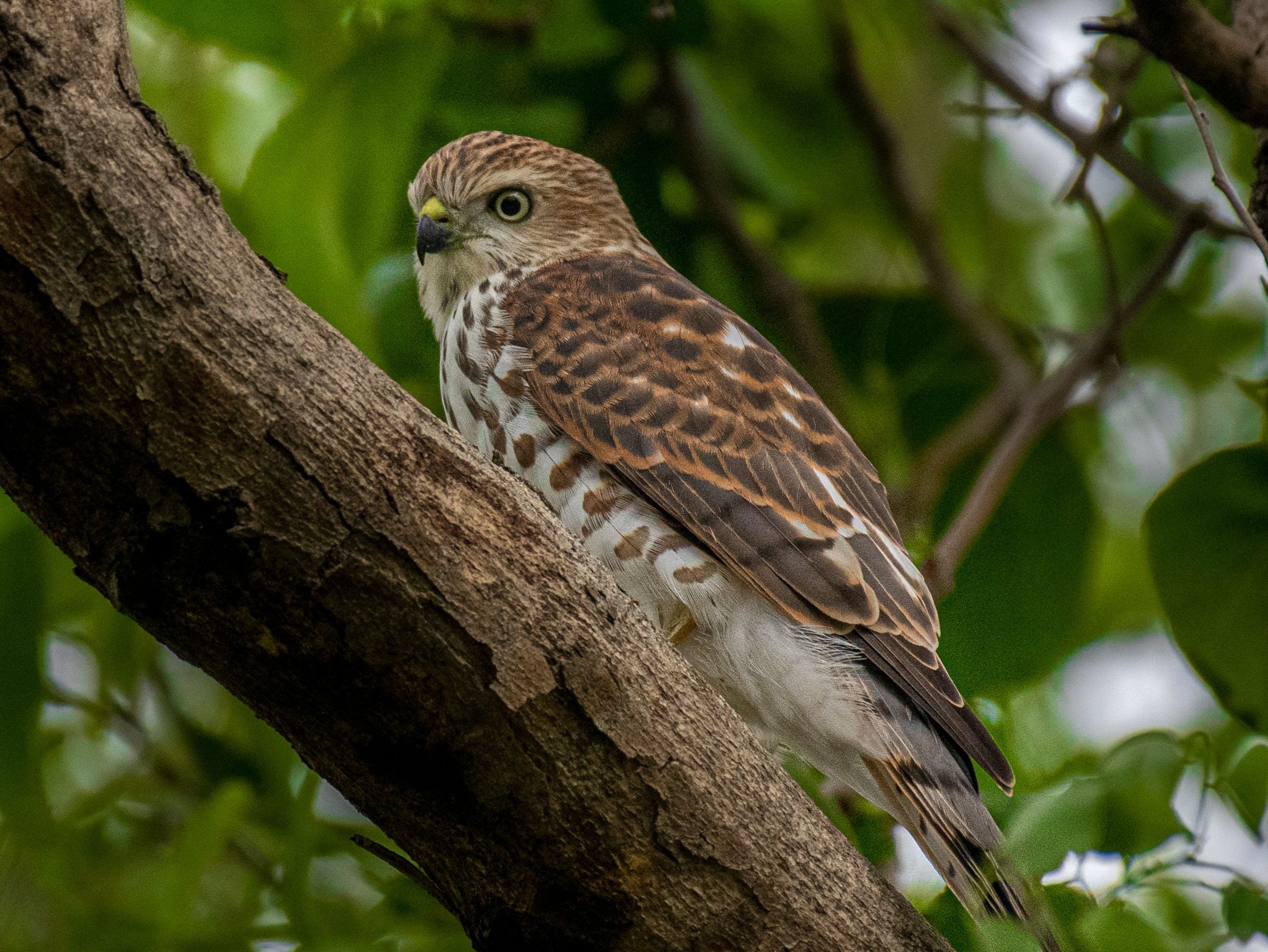
Big thanks to Rajukhan Pathan from Pexels for these amazing photos! 🙏🏻
This was the point at which a reasonable person could have concluded that the kindest thing was to let go. And a reasonable person did. In his 1979 book The Sinking Ark, the environmentalist Norman Myers argued that conservation funds were finite and had to be spent where they might do good, and he used the Mauritius kestrel as his example of a lost cause. We might, he wrote, abandon the Mauritius kestrel to its "all-but inevitable fate" and put the money towards species more likely to survive. It was not cruelty. It was triage, the cold arithmetic of a world with more emergencies than hands to meet them.
A small group of people declined to accept the arithmetic. The early work had begun in 1973 with Stanley Temple, an American researcher who studied the birds and made the first attempts at captive breeding, though those attempts largely failed. The figure most associated with the recovery, though, is a young Welsh biologist named Carl Jones, who arrived in 1979 to work on the island's endangered species and, by several accounts, was more or less told the kestrel project was being wound down. He kept it going anyway. He was joined over the years by Mauritian colleagues including the conservationist Wahab Owadally, and backed by international partners including the Jersey zoo founded by the writer and naturalist Gerald Durrell, whose organisation is now known as Durrell Wildlife Conservation Trust. In time the effort became the Mauritian Wildlife Foundation, which carries the work to this day.
What they did next reads like patience turned into method. The team learned to climb to the wild nests and remove the first clutch of eggs, which prompted the female to lay a second clutch, a technique called double clutching that roughly doubled the number of eggs a pair produced in a season. The harvested eggs were incubated by hand. The chicks were reared with techniques borrowed from falconry, including hand puppets shaped like adult kestrels so the young birds would not grow up imprinted on people. Where wild nests were being raided by predators or simply did not exist any more, biologists built wooden nest boxes and fixed them into the cliffs and trees. They put out supplementary food so that struggling pairs could raise more young than the depleted forest would otherwise allow. Then they released the captive-bred birds back into the hills, teaching them to fend for themselves, and did it again the following year, and the year after that.
It worked, slowly and then all at once. Over about a decade, more than three hundred captive-bred kestrels were released into two mountainous regions of the island. The population climbed out of the single digits into the dozens, then the hundreds. By the mid 2000s, estimates put the wild population at several hundred birds, and the International Union for Conservation of Nature had already downgraded the kestrel from critically endangered to a lower category of risk. A bird that had numbered four was, for a time, spread across the forests of southern Mauritius in numbers no one who saw those last survivors would have dared to predict. In March 2022, the Republic of Mauritius named the kestrel its national bird, a quiet act of pride for the raptor that is now the island's only surviving native bird of prey.
That could be the end of the story, and in many tellings it is. It deserves to be more honest than that.
The recovery, it turns out, was not a finish line but a plateau that the birds could slip back from. After the population improved, some of the intensive support was scaled down, and for a period the close monitoring lapsed. When conservationists looked again, the numbers had fallen. In 2014 the IUCN moved the kestrel back up to endangered, noting a declining population of fewer than four hundred mature birds. Recent estimates have varied and are genuinely uncertain: some surveys around 2019 to 2023 have put the wild population in the region of three hundred and fifty to four hundred, while other assessments have warned it may be lower still. Vikash Tatayah, conservation director of the Mauritian Wildlife Foundation, has made the point plainly in interviews, that a species like this needs support measured in decades, not in the few years it takes for the headlines to move on.
The pressures have not gone away either. The forest is still fragmented, and Mauritius is a densely populated island where land for housing and roads competes with habitat. Invasive plants have crept through the woodland and, in a cruel twist, in some places made it harder for a bird that hunts by sight to spot geckos among the leaves. The predators introduced long ago are still there. And there is the quieter problem written into the birds themselves: a population rebuilt from so few individuals carries very little genetic variety, an inheritance of the bottleneck it passed through. Many of the kestrels still depend on the nest boxes and the management that the recovery put in place. Take the scaffolding away too soon, and the structure may not stand on its own.
So the Mauritius kestrel is not a trophy on a shelf. It is a living thing, still watched over, still counted, still requiring people to climb the cliffs each season and check the boxes and keep the funding flowing when the crisis no longer feels urgent. That is the part of the story that tends to get lost, because it is less satisfying than the rescue. We like our conservation stories to end with a release into the wild and a bird disappearing over the treeline. The truth is that the release is the middle, not the end.
Still, four birds. It is worth sitting with that number, and with the fact that a species can be that close to gone and yet not be gone. The people who refused the triage were not certain they would succeed. They were, by the standards of the day, arguably wrong to try. And because they tried anyway, there are kestrels hunting in the gorges of Mauritius that would otherwise exist only as skins in a museum drawer, next to the bones of the dodo. The recovery is unfinished and imperfect, and it may always need a human hand nearby. But unfinished is a very different thing from over. Somewhere on that island, a falcon the world had written off is teaching its chicks to hunt, and the sentence that once held its whole future now reads a little differently.
Related PetalPoko articles
What "Endangered" Really Means, and How a Species Gets Listed
Meet the Axolotl, the Salamander That Can Regrow Its Own Limbs
Sources and further reading
Mauritius kestrel, Wikipedia: https://en.wikipedia.org/wiki/Mauritius_kestrel
Mauritius Kestrel, The Peregrine Fund: https://peregrinefund.org/explore-raptors-species/falcons/mauritius-kestrel
"Alive as a kestrel: An emblem for preventing extinction," BirdLife International: https://www.birdlife.org/news/2023/05/19/alive-as-a-kestrel-an-emblem-for-preventing-extinction/
"What the Mauritius kestrel can teach us about wildlife reintroductions," Mongabay: https://news.mongabay.com/2021/09/what-the-mauritius-kestrel-can-teach-us-about-wildlife-reintroductions/
Mauritius kestrel conservation, Zoological Society of London (ZSL): https://www.zsl.org/what-we-do/projects/mauritius-kestrel-conservation