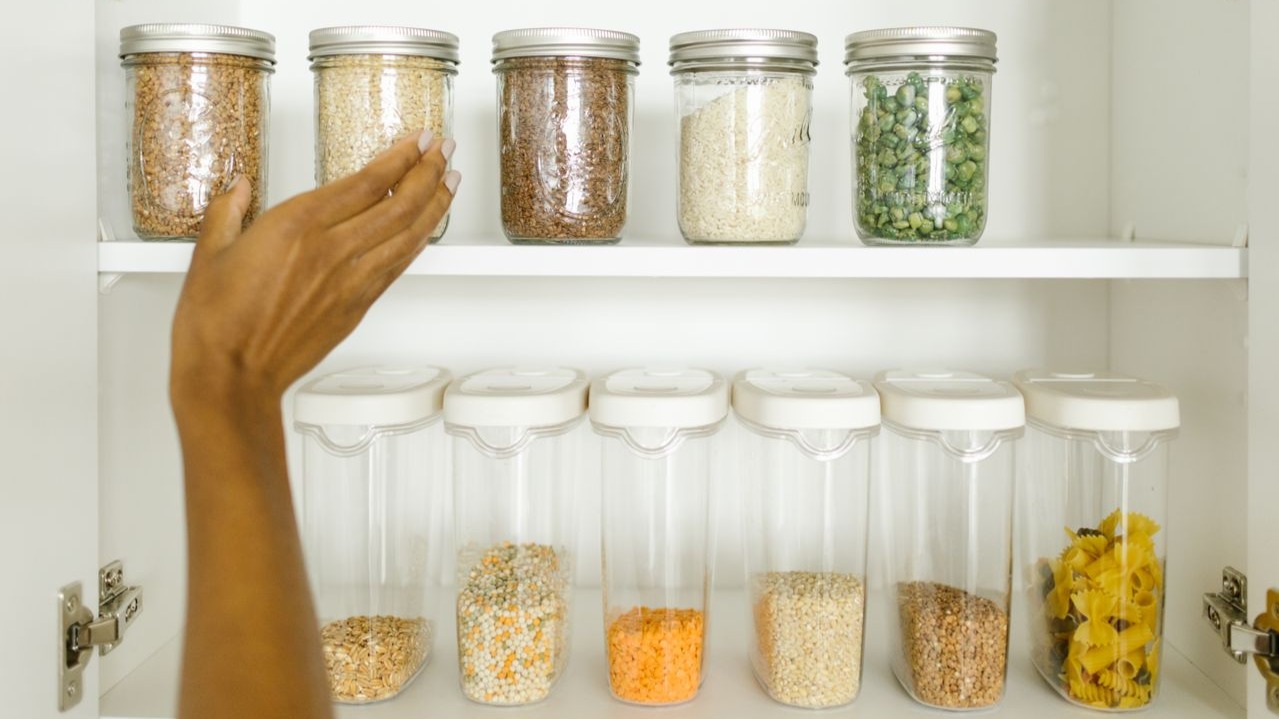
When the lid never matches the tub
You open the cupboard, a tower of containers slides out, and half of them no longer have a matching lid. Some are stained orange from last week's leftovers. One has a faint crack you keep meaning to deal with. If this feels familiar, you are not alone, and you are not doing anything wrong. Food storage is one of those quiet corners of the kitchen where things accumulate slowly, and where the question of what to buy next tends to arrive only when something finally gives up.
This article is for the moment you are standing in that cupboard, wondering whether to replace what you have and, if so, with what. Glass, stainless steel, and silicone all get recommended as thoughtful alternatives to plastic. Each has genuine strengths, and each has trade-offs worth understanding before you spend anything.
Why this matters in everyday life
Before any question of environmental impact, food storage is about the practical rhythm of your week. The right container keeps leftovers fresh, survives the dishwasher, moves from freezer to oven without drama, and stacks without toppling. The wrong one leaks in your bag, stains, or cracks after a few months, which usually means buying again sooner than you hoped.
There is also a spending angle. Containers marketed as longer-lasting often cost more upfront, so it helps to know where that money is going and whether it is likely to pay off in years of use. And there is the environmental thread that runs through all of this. The materials differ meaningfully in how they are made, how long they last, and what happens to them at the end of their life. None of these choices is automatically the greener one. What tends to matter most is how long a container stays in service, a point the evidence supports and one we will return to throughout.
The three materials, and how to think about them
It helps to hold each material in mind as a set of characteristics rather than a verdict.
Glass is made largely from sand, soda ash, and limestone. It is rigid, transparent, and chemically stable, which means it does not react with food or absorb odours and stains. Its main vulnerabilities are weight and breakability.
Stainless steel is an iron alloy containing chromium, which forms a thin protective layer that resists rust and corrosion. It is light relative to glass, very hard to break, and non-reactive. Its limitations are that most types are not microwave-safe, and standard tubs are opaque, so you cannot see the contents.
Silicone used for food storage is food-grade silicone, a synthetic material made from silica (derived from sand) bonded with carbon and oxygen, then cured. Reputable food-grade silicone is designed to meet food-contact safety requirements set by bodies such as the United States Food and Drug Administration, according to manufacturers, though independent long-term studies on it remain more limited than for glass or steel. It is flexible, light, and tolerant of a wide temperature range. Its main sustainability question sits at the end of life, which we will come to.
A useful way to frame the comparison: no material is best at everything. You are choosing the balance of properties that fits how you actually cook, store, and travel.
What the evidence actually says
Durability and longevity
On longevity, glass and stainless steel tend to come out ahead. Guidance from Iowa State University Extension and Outreach describes glass and stainless steel as non-reactive, non-toxic, resistant to staining, and able to withstand heat well, while noting that plastic "does not have the longevity of glass or stainless steel" and should be replaced once it becomes discoloured or scratched. Silicone is also durable. Food-grade silicone is described as highly resistant to temperature-related degradation and, when cared for, unlikely to harden, crack, or become brittle over time, though these claims come largely from manufacturers rather than independent bodies.
The practical takeaway is that all three can last for years, which is exactly what makes them worth considering. A container that survives a decade of daily use spreads its manufacturing footprint across thousands of meals.
Weight and breakability
This is where the trade-offs sharpen. Glass is the heaviest and the only one that can shatter, which matters if you carry lunches, have young children, or store things on high shelves. Stainless steel is lighter and effectively unbreakable in a home setting, but it dents rather than shatters and cannot go in the microwave. Silicone is the lightest and most forgiving, folding flat when empty, which suits small kitchens and travel.
Food safety and staining
Glass and stainless steel are non-reactive and do not stain or hold odours, which is part of why food-safety guidance tends to favour them. Food-grade silicone is generally considered stable and food-safe, and does not react with food, according to the same extension guidance, though it is the newest of the three materials in widespread kitchen use and has a shorter research record. Across all materials, a secure, airtight seal matters as much as the material itself for keeping food fresh.
Recyclability at end of life
This is where the differences become clearest, and where honesty is important.
Glass is highly recyclable. Industry bodies including the Glass Packaging Institute and the European Container Glass Federation describe glass as endlessly recyclable without loss of quality. That said, whether your particular container is accepted depends on local systems, and reporting from Chemical and Engineering News has noted that glass recycling in practice varies and is not always as effective as the material's theoretical recyclability suggests. Note too that heat-resistant borosilicate cookware and tempered glass are often not accepted in bottle-and-jar glass recycling, because they melt at different temperatures.
Stainless steel is one of the most recycled materials in the world. The worldstainless association reports that on average around 95 per cent of stainless steel is recycled at end of life and can be reprocessed into new stainless steel without loss of quality. As scrap metal, it has real value, which supports its recovery.
Silicone is the outlier. It is extremely durable, but it is generally not accepted in standard kerbside recycling. According to waste-focused sources such as TRVST, silicone requires specialised facilities that grind and reprocess it, and most household collection schemes do not take it. It is also not biodegradable. Some manufacturers run take-back schemes to close this gap. So silicone's environmental case rests almost entirely on how long you keep using it, rather than on recycling it away at the end.
Heat and freezer suitability
Glass generally handles the freezer, microwave, and oven well, provided it is designed for it and you avoid sudden temperature shocks. Stainless steel is freezer-safe and often oven-safe, but standard steel is not microwave-safe. Silicone tolerates a notably wide range, commonly cited from freezer temperatures up to oven use, which is part of its appeal for batch cooking and freezing.
Cost
Glass and stainless steel usually cost more upfront than plastic, and premium silicone bags sit at the higher end too. The relevant question is cost over the container's life. A set you use for many years, rather than replacing every couple of seasons, tends to work out more economical, though this depends on treating it well and not losing the lids.
A short comparison
Property | Glass | Stainless steel | Silicone |
|---|---|---|---|
Longevity | Long, if not dropped | Very long | Long |
Weight | Heavy | Light | Very light |
Breakability | Can shatter | Very hard to break | Very hard to break |
Staining and odours | Resists both | Resists both | Can hold some odours |
Microwave | Usually yes | Usually no | Usually yes |
Kerbside recycling | Widely accepted | Widely recycled | Usually not accepted |
Practical actions: how to choose for your needs
Start with how you actually live, not with the material.
If you reheat leftovers often, glass is convenient because it usually moves from fridge to microwave to table without transferring food.
If you carry lunches or have a busy, drop-prone household, stainless steel or silicone reduce the risk of breakage.
If space or weight is tight, silicone folds flat and travels light.
If freezing in batches matters, check that whatever you choose is explicitly rated for freezer and reheating use.
Whatever you lean towards, buy for the way you cook, choose containers you will genuinely reach for, and favour the option you are most likely to keep for years. That single factor, longevity in real use, tends to outweigh the differences between the materials.
Tools that can help
Some links below are affiliate links; see our Affiliate Disclosure.
These are product types, not specific brands. Choose based on durability and on buying only what you will realistically use for years.
Glass storage containers with lids: a sensible default for reheating and seeing what is inside, best chosen with secure, replaceable lids so a lost seal does not retire the whole set.
Stainless steel storage containers: light, hard to break, and worth considering for lunches and travel, keeping in mind that most cannot go in the microwave.
Silicone storage bags or stretch lids: flexible and space-saving for freezing and covering bowls, most sustainable when used for many years, since they are rarely kerbside recyclable.
Common mistakes to avoid
Binning usable plastic to buy something new. This is the big one. If your existing plastic containers are still sound, marked as food-safe, and not scratched or discoloured, replacing them straight away often adds manufacturing impact without removing much. The more measured approach is to keep using what you own until it genuinely reaches the end of its life, then replace thoughtfully. Discard plastic only when it is scratched, warped, or discoloured, since worn surfaces are harder to clean.
Buying a large set at once. Matching sets look tidy but often include sizes you never use. Buying a few pieces for your actual habits reduces waste and clutter.
Assuming one material suits everything. A small mix, glass for reheating, steel or silicone for travel, usually serves better than committing entirely to one.
Overlooking the lid. Many containers are retired because a lid warps, cracks, or vanishes. Choosing ranges with replaceable lids extends the life of the whole set.
Frequently asked questions
Is glass or stainless steel better for food storage? Neither is universally better. Glass lets you see and microwave the contents, while stainless steel is lighter and far harder to break. Your choice depends on whether reheating or portability matters more to you.
Is silicone food storage safe? Food-grade silicone is generally regarded as stable and food-safe, and manufacturers state it meets food-contact requirements from bodies such as the United States Food and Drug Administration. It is the newest of these materials in common use, so its long-term research record is shorter than that of glass or steel.
Can I recycle silicone containers? Usually not through household kerbside collection. Silicone typically needs specialised reprocessing, and many councils do not accept it. Some manufacturers offer take-back schemes, so the most reliable approach is to use it for as long as possible.
Should I throw away my plastic containers? Not if they are still in good condition and food-safe. Replacing usable plastic straight away is not always the greener move. Using what you own until it wears out, then choosing a durable replacement, tends to make more sense.
Which lasts the longest? Stainless steel and glass both tend to last many years, with steel more resistant to breakage and glass more prone to chips if dropped. Quality silicone is also long-lasting. In every case, longevity depends on how you treat it.
Key takeaways
Glass, stainless steel, and silicone each offer durability, with real trade-offs in weight, breakability, microwave use, and end-of-life recycling.
Glass and stainless steel are widely recyclable and non-reactive; silicone is durable but rarely accepted in kerbside recycling.
Food-safety guidance tends to favour glass and stainless steel for longevity and resistance to staining, with food-grade silicone considered stable but less studied.
The most sustainable container is usually the durable one you will keep and actually use for years.
Replacing usable plastic you already own is not always the greener choice; use it until it wears out, then replace thoughtfully.
Related PetalPoko articles
Are Reusable Food Wraps Better Than Cling Film? An Honest Comparison
How to Store Fruits and Vegetables So They Last Twice as Long
Sources and further reading
Iowa State University Extension and Outreach, Safe Food Storage Containers: https://blogs.extension.iastate.edu/answerline/2023/10/10/safe-food-storage-containers/
worldstainless, Recycling: https://worldstainless.org/sustainability/environment/recycling/
Glass Packaging Institute, Glass Recycling Facts: https://www.gpi.org/facts-about-glass-recycling
European Container Glass Federation (FEVE), Glass is a permanent material, endlessly recyclable: https://feve.org/case_study/glass-is-a-permanent-material-endlessly-recyclable/
Chemical and Engineering News, Why glass recycling in the US is broken: https://cen.acs.org/materials/inorganic-chemistry/glass-recycling-US-broken/97/i6
TRVST, Is Silicone Recyclable? How to Recycle Silicone Correctly: https://www.trvst.world/waste-recycling/is-silicone-recyclable/
University of Michigan News, Reusable take-out food containers can reduce plastic waste, emissions, costs: https://news.umich.edu/reusable-take-out-food-containers-can-reduce-plastic-waste-emissions-costs-u-m-study-finds/
Recycle Now, How is glass recycled: https://www.recyclenow.com/how-to-recycle/glass-recycling